



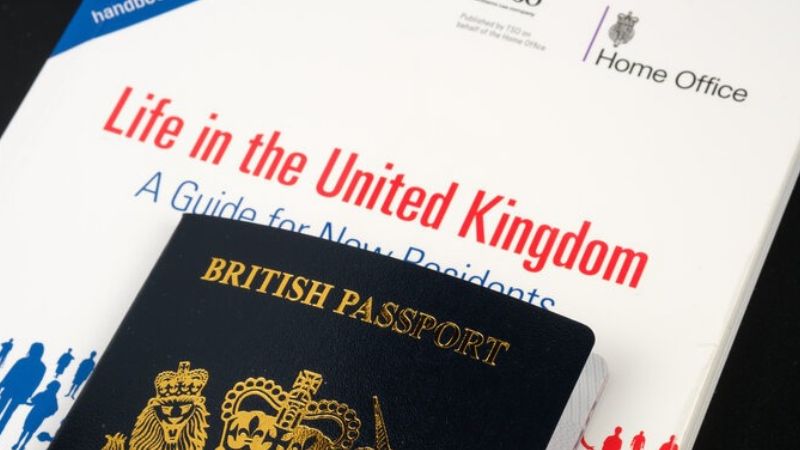
Who Can Naturalise as a British Citizen Without Taking the English Language or Life in the UK Tests?

In This Article:
The British Nationality Act 1981 governs, amongst other matters, the requirements for naturalisation as a British citizen. Most adult applicants must demonstrate both sufficient knowledge of English, Welsh or Scottish Gaelic and sufficient knowledge about life in the United Kingdom. These are separate requirements, and an applicant may need to address each in a different way.
It is not always necessary to take two new tests. Some applicants already satisfy one or both requirements through their nationality, degree, an earlier English language qualification or a previous Life in the UK Test pass. In more limited circumstances, the Secretary of State may waive either or both requirements because of age or a physical or mental condition. Defined groups applying through the Windrush Scheme may instead be treated as having met the requirements under Home Office policy.
This article focuses on adult naturalisation applications under section 6 of the 1981 Act, including applications made by a person who is married to or in a civil partnership with a British citizen. Registration and other routes to British citizenship, including by registering, can involve different statutory requirements.
1. What Are the English Language and Life in the UK Requirements?
For naturalisation, an applicant normally needs to show both:
- sufficient knowledge of English, Welsh or Scottish Gaelic; and
- sufficient knowledge about life in the United Kingdom.
The life requirement is normally met by passing the Life in the UK Test. The test currently consists of 24 questions and is taken within 45 minutes. A pass mark of 75% is required. It does not expire.
The English language requirement can be met in several ways. Depending on the applicant’s circumstances, this may include being a national of a specified majority English-speaking country, holding an appropriate UK degree, relying on an eligible overseas degree with the required Ecctis confirmation, or passing an approved Secure English Language Test in speaking and listening at CEFR level B1 or above.
For citizenship applications, Irish nationals and British Overseas Territories citizens are also treated as satisfying the English language requirement. This does not, by itself, satisfy the separate knowledge of life requirement.
2. When Is a New Test Not Needed?
Many applicants do not need to take a new test because valid evidence from an earlier application can be used again, making a new test not necessary.
An English Language Qualification Accepted for Settlement
A B1, B2, C1 or C2 English language qualification that has expired may still be used for citizenship where it was accepted when the applicant obtained settlement. The applicant should provide the relevant test reference or other evidence requested in the naturalisation application.
A previous grant of settled status under the EU Settlement Scheme does not, by itself, establish that the English language and Life in the UK requirements have been met. Applicants should check the evidence on which they intend to rely rather than assuming that every route to settlement included these requirements.
A Previous Life in the UK Test Pass
A Life in the UK Test pass does not expire. An applicant who passed the test for a settlement application will not normally need to take it again for naturalisation. The application should include the unique reference number or other evidence required by the current application process.
Nationality or Degree Evidence
A person who satisfies the English language requirement through an accepted nationality or degree does not need to take an English language test. They must still meet the Life in the UK requirement unless it has already been met, is waived, or is treated as met under an applicable policy.
3. When Can the Requirements Be Waived for Naturalisation?
Paragraph 2(1)(e) of Schedule 1 to the British Nationality Act 1981 permits the Secretary of State to waive either or both requirements where, because of the applicant’s age or physical or mental condition, it would be unreasonable to expect the applicant to fulfil them. The question is not simply whether learning or testing would be difficult. The individual facts and evidence must justify the particular waiver sought.
Applicants Aged 65 or Over
Where an applicant is aged 65 or over on the date of application, the Home Office’s Knowledge of Language and Life guidance states that the requirements must be waived. Evidence of age may include a passport or other identity document.
Applicants Aged 60 to 64
Applicants aged 60 to 64 are not automatically exempt. The Home Office normally waives the requirements where the time needed to reach the required standard would mean that the applicant would be aged 65 or over by the time they could do so. This calls for an individual assessment. A caseworker proposing to exercise age discretion for an applicant under 65 should consult the Nationality Policy team before making a final decision.
Long-Term Physical or Mental Condition
A long-term physical or mental condition may justify waiver of the English language requirement, the Life in the UK requirement, or both. The relevant question is how the condition affects the applicant’s ability to learn the language, prepare for the Life in the UK Test, take an available test, or communicate at the required level.
A diagnosis does not create an automatic exemption. Caseworkers may consider whether treatment is likely to enable the applicant to prepare, whether reasonable adjustments are available at a test centre, and whether the condition prevents the applicant from meeting one requirement but not the other. Temporary depression or stress would not normally be sufficient, although every case must be assessed on its own evidence.
The current medical waiver form should be completed by a registered medical practitioner who has met the applicant. The application should include current, original medical evidence that explains the diagnosis, prognosis, treatment, functional effect of the condition and why the applicant cannot reasonably meet the relevant requirement. A waiver given for indefinite leave to remain does not automatically carry over to naturalisation; the position must be considered again for the citizenship application.
Illiteracy, limited education, difficulty learning English or long residence in the UK are not, without more than this, medical grounds for waiver.
4. How Are Windrush Scheme Cases Treated?
The Windrush Scheme is not a third statutory age or medical exemption. Instead, the Windrush Scheme casework guidance directs caseworkers to treat the knowledge of language and life requirements as met for particular groups who satisfy the relevant policy criteria.
For example, the requirements are accepted as met for a Commonwealth citizen who was settled in the UK on 1 January 1973 and falls within the relevant continuously resident group. In some other groups, including certain Commonwealth citizens with the right of abode and certain people whose earlier settlement lapsed before they returned and obtained indefinite leave, the requirements are treated as met only where the strong ties test is satisfied.
Some people assisted by the Windrush Help Team may already be British citizens and therefore do not need to naturalise at all. It is therefore important to identify the correct Windrush group and the correct nationality outcome before assuming that no English language or Life in the UK evidence is required.
5. Conclusion
Most adults applying for British citizenship by naturalisation must meet both the English language and Life in the UK requirements. However, an applicant may not need a new test where the requirement has already been satisfied through accepted evidence. In narrower cases, either or both requirements may be waived because of age or a qualifying physical or mental condition. Defined Windrush groups may be treated as having met the requirements under the applicable policy.
The legal basis, evidence and consequences are different in each category. A careful British citizenship application should identify whether the applicant has already met the requirement, seeks a statutory waiver, or falls within a Windrush policy group, and should provide evidence directed to that route.
6. Contact Our Immigration Barristers
For expert advice and assistance with a British citizenship application, including the English language and Life in the UK requirements, age or medical waiver evidence, or an application under the Windrush Scheme, contact our immigration barristers on 0203 617 9173 or complete our enquiry form below.
7. Frequently Asked Questions
Do all naturalisation applicants need to take both tests?
No. Most applicants must meet both requirements, but they may satisfy the English language requirement without a test through an accepted nationality or degree, may re-use qualifying evidence from settlement, or may qualify for a waiver or Windrush policy treatment.
Is everyone aged 65 or over exempt from both requirements?
Yes, for naturalisation the Home Office guidance requires both knowledge of language and life requirements to be waived when the applicant is aged 65 or over.
Can an applicant aged 60 to 64 qualify for an age waiver?
Possibly, but not automatically. The requirements are normally waived where the time reasonably needed to reach the standard would mean that the applicant would be aged 65 or over.
Does a medical waiver for settlement apply automatically to naturalisation?
No. A person exempted when applying for indefinite leave to remain must meet the requirements for naturalisation unless a fresh age or medical waiver applies.
Does a Life in the UK Test pass expire?
No. A valid Life in the UK Test pass can normally be relied on again for naturalisation, subject to providing the reference or evidence required by the application process.
Can an expired English language test be used for citizenship?
Yes, a B1, B2, C1 or C2 qualification may be used after expiry if it was accepted when the applicant obtained settlement, even if it is no longer on the current approved list.
Do nationals of majority English-speaking countries still need the Life in the UK Test?
Usually yes. Nationality may satisfy the English language limb, but the applicant must separately meet the knowledge of life requirement unless it has already been met, is waived, or is treated as met.
Does every Windrush Scheme applicant avoid the tests?
No. The policy applies differently to defined Windrush groups. Some groups have the requirements accepted as met, some require strong ties to the UK, and some people may already be British citizens.
Please note that the information provided in this article is for general guidance only and is based on the immigration rules and policies in force at the date of publication. Immigration law and Home Office policy can change frequently, and requirements may vary depending on individual circumstances. Legal advice should always be sought in relation to your specific situation.