

RELIGIOUS ORGANISATIONS
UK Immigration Routes for Religious Organisations: Visas & Sponsorship for Religious Workers
In This Guide
Religious organisations seeking to bring overseas personnel to the UK must distinguish carefully between several different immigration routes.
A person taking a key leadership or mainly pastoral role may qualify under the T2 Minister of Religion route. Temporary non-pastoral religious work can instead fall within the Religious Worker route. Unpaid voluntary fieldwork may sometimes qualify under the Charity Worker route, while teachers, administrators and other professional employees may need Skilled Worker sponsorship.
Overseas religious workers may also undertake certain limited preaching or pastoral activities as Visitors.
The correct route depends on the actual duties. A title such as “pastor”, “missionary”, “religious worker” or “volunteer” does not determine the immigration category by itself.
1. UK Immigration Routes for Religious Organisations
The principal routes include:
| Route | Typical Role | Maximum/Long-Term Position | Settlement |
| T2 Minister of Religion | Key leadership and mainly pastoral religious roles | Longer-term sponsored route | Yes |
| Religious Worker | Temporary, mainly non-pastoral religious duties | Up to 2 years | No |
| Charity Worker | Genuine unpaid voluntary fieldwork | Up to 12 months | No |
| Skilled Worker | Eligible professional and operational employment | Longer-term | Yes |
| Standard Visitor | Limited preaching and pastoral activity | Temporary visit | No |
Choosing the correct route is particularly important because Minister of Religion and Religious Worker are designed for different functions.
To discuss a Minister of Religion, Religious Worker or other UK visa application, or a sponsor licence for a religious organisation, contact our immigration barristers on 0203 617 9173 or complete our enquiry form below.
2. Minister of Religion or Religious Worker: Which Route Is Correct?
The central distinction is the nature of the religious duties.
The Minister of Religion route is designed for people with key leading roles within faith-based organisations. It includes mainly pastoral roles and can include ministers, missionaries and members of religious orders.
The Religious Worker route is temporary and, under the current Rules, must mainly involve non-pastoral religious duties supporting the activities of the religious institution.
A person whose core duties involve leading a congregation in performing rites and rituals and preaching the essentials of the faith should normally be sponsored as a Minister of Religion rather than as a Religious Worker.
An organisation should therefore assess what the individual will actually do in practice.
Attempting to place a ministerial role into the Religious Worker category can lead to refusal and sponsor compliance concerns.
3. T2 Minister of Religion Visa Requirements
An applicant under the T2 Minister of Religion route will generally need to:
- be aged 18 or over;
- have a valid Certificate of Sponsorship;
- be sponsored by an organisation authorised for the Minister of Religion route;
- be qualified to perform the proposed role;
- undertake qualifying religious duties;
- satisfy the B2 English-language requirement unless exempt;
- satisfy the financial requirement;
- genuinely intend and be able to undertake the role; and
- meet the relevant suitability and entry requirements.
The Certificate of Sponsorship must accurately describe the individual’s role and remuneration.
The sponsor must confirm that the role is appropriate for the Minister of Religion route.
Employment conditions must also satisfy the applicable requirements concerning comparable treatment of settled workers and employment law.
4. Who Qualifies as a Minister of Religion?
The route can cover people undertaking mainly pastoral religious work, including roles involving:
- leading a congregation;
- preaching;
- performing religious rites and ceremonies;
- providing pastoral care;
- missionary work; and
- qualifying membership of a religious order.
The route should not generally be used where the person’s duties are mainly unrelated non-pastoral functions such as:
- school teaching;
- ordinary administration;
- clerical work;
- domestic work; or
- media production,
unless the individual holds an appropriate senior position falling within the route.
A teacher employed by a school maintained by a religious organisation, for example, should not automatically be sponsored as a Minister of Religion merely because the school has a religious ethos.
The actual teaching role may instead require Skilled Worker sponsorship.
5. Religious Worker Visa Requirements
The Temporary Work – Religious Worker route is intended for temporary religious work.
Under the current Immigration Rules, the role must mainly involve non-pastoral religious duties within, or directed by, the sponsoring organisation to support the activities of the religious institution.
The work must not amount to a Minister of Religion role.
An applicant will normally need:
- a valid Certificate of Sponsorship;
- sponsorship by an organisation licensed for the Religious Worker route;
- a genuine qualifying role;
- satisfaction of the financial requirement where applicable;
- compliance with the relevant entry requirements; and
- satisfaction of Part Suitability.
The maximum period on the Religious Worker route is generally two years.
It does not provide a direct route to settlement.
6. Religious Orders and Non-Pastoral Religious Work
Members of religious orders can fall within either Minister of Religion or Religious Worker sponsorship depending on the nature and structure of their role.
Minister of Religion can now expressly accommodate qualifying members of religious orders.
Religious Worker can also be relevant to temporary service within a religious order where the duties satisfy that route.
The immigration route should not be chosen solely by reference to whether the individual receives a conventional salary.
Some forms of religious service may operate differently from ordinary commercial employment, but the organisation must still demonstrate that the route-specific requirements are met.
Formal academic study should also be distinguished from religious work.
A person primarily undertaking a full-time academic course may need Student permission rather than a work route.
7. Sponsor Licences for Churches and Religious Organisations
A religious organisation seeking to sponsor an overseas worker must hold the appropriate sponsor licence for the relevant route.
It may require authorisation for:
- T2 Minister of Religion;
- Religious Worker;
- Skilled Worker;
- Charity Worker; or
- more than one route.
The sponsor licence application should demonstrate that the organisation is genuine, operating lawfully and capable of meeting sponsor duties.
The organisation will also need suitable Key Personnel and systems for:
- monitoring sponsored workers;
- retaining records;
- reporting relevant changes;
- preventing illegal working; and
- maintaining accurate contact and employment information.
Faith organisations with decentralised structures should take particular care to identify the legal entity acting as sponsor.
A local congregation cannot necessarily rely on a sponsor licence held by a separate national or umbrella organisation unless the licensing arrangements lawfully cover it.
8. Skilled Worker Sponsorship for Other Roles
A religious organisation may employ people whose roles are not principally religious.
Examples can include eligible roles in:
- teaching;
- finance;
- technology;
- senior management;
- professional services; and
- specialist operational functions.
Where the job satisfies the Skilled Worker requirements, the organisation may be able to sponsor the employee under that route.
The position must fall within an eligible occupation code and satisfy the applicable salary and skill requirements.
A new Skilled Worker role will normally need to be at RQF level 6 or above unless a specific exception applies.
The fact that the employer is a charity or religious organisation does not, by itself, reduce the Skilled Worker salary requirement.
However, sponsor licence fee classifications and some immigration costs can differ for qualifying charitable sponsors.
9. Charity Worker Visas for Qualifying Voluntary Work
The Temporary Work – Charity Worker route can be relevant to religious organisations that are also charities and wish to bring someone to undertake genuine voluntary fieldwork.
The work must:
- directly contribute to the achievement or advancement of the sponsor’s charitable purpose;
- be unpaid, subject to permitted reasonable expenses and accommodation;
- not fill a permanent position; and
- otherwise satisfy the Charity Worker requirements.
The route should not be used for ordinary salaried employment.
It should also not be used to fill routine vacancies in areas such as ordinary office administration, retail, fundraising or premises maintenance.
Charity Worker permission can normally be granted for up to 12 months and does not lead to settlement.
10. Visiting the UK to Preach or Undertake Pastoral Work
The Visitor Rules permit an overseas religious worker to visit the UK to preach or undertake pastoral work.
This can accommodate genuine temporary religious visits.
The Visitor must not use the route to take up an office, post or ongoing employment in the UK.
A visiting minister might therefore be able to conduct a one-off religious service or undertake limited pastoral activity while remaining employed overseas.
Where the individual will occupy an ongoing role within the UK religious organisation, Minister of Religion or another work route should be considered.
Payment arrangements must also be considered carefully because ordinary UK-source remuneration is restricted under the Visitor Rules.
11. English Language and Financial Requirements
Minister of Religion
A new Minister of Religion applicant must normally demonstrate English at CEFR level B2 in reading, writing, speaking and listening unless exempt.
Where the financial requirement applies, the applicant will normally need to demonstrate at least £1,270 in qualifying funds.
An A-rated sponsor can potentially certify maintenance.
Religious Worker
There is no equivalent English-language requirement under the Religious Worker route.
A financial requirement can apply, subject to the detailed Rules and any applicable exemption.
The structure of some genuinely religious roles can affect how the financial provisions operate, so the particular arrangement should be considered carefully.
12. Partners and Children of Religious Workers
Eligible partners and dependent children can generally accompany or join a Minister of Religion or Religious Worker.
Separate requirements apply to the relationship, age, dependency and finances of family members.
Family strategy may also affect the choice between routes.
Minister of Religion provides a pathway towards settlement, while Religious Worker is temporary.
A family expecting to establish itself permanently in the UK should therefore understand the long-term consequences of the principal applicant’s immigration category.
13. Settlement for Ministers of Religion
T2 Minister of Religion is a route to indefinite leave to remain.
An applicant will normally require five years of qualifying residence.
The qualifying period can potentially include specified periods on other eligible work routes.
The sponsor must remain authorised to sponsor Ministers of Religion and must confirm that it continues to require the applicant for the foreseeable future.
The applicant must also satisfy continuous residence and Knowledge of Life in the UK requirements.
Religious Worker permission does not itself provide a direct route to settlement.
A person on a temporary religious route who develops a genuinely long-term role should consider their future immigration strategy before reaching the maximum permitted period.
14. Sponsor Duties and Compliance for Faith Organisations
Religious organisations can face particular sponsor-compliance challenges where:
- workers live in accommodation provided by the organisation;
- individuals move between congregations;
- duties are partly voluntary and partly paid;
- roles evolve over time;
- personnel are directed by a national body but based locally;
- remuneration includes non-cash support;
- missionaries travel extensively; or
- members of religious orders operate under arrangements different from conventional employment.
The sponsor should nevertheless be able to identify:
- who employs or controls the worker;
- where the work is undertaken;
- what duties are performed;
- how the worker is remunerated;
- whether changes require reporting; and
- who within the organisation is responsible for sponsor compliance.
Informality within the religious organisation does not displace formal immigration duties.
15. Frequently Asked Questions: Religious Organisation Immigration
What Is the Difference Between a Minister of Religion and Religious Worker Visa?
Minister of Religion is primarily for key leading and mainly pastoral religious roles and can lead to settlement. Religious Worker is a temporary route for mainly non-pastoral religious work and does not lead directly to settlement.
Can a Church Sponsor an Overseas Pastor?
Potentially. The church or other qualifying religious organisation must hold the appropriate Minister of Religion sponsor licence and the pastor must satisfy the requirements of the route.
Can a Religious Worker Lead a Congregation?
A role whose core duties involve leading a congregation in rites, rituals and preaching should normally be sponsored under the Minister of Religion route rather than Religious Worker.
Can a Religious Organisation Sponsor a Teacher?
Potentially, but a school teacher would ordinarily need to qualify under Skilled Worker rather than Minister of Religion simply because the school is maintained by a religious organisation.
Do Ministers of Religion Need to Speak English?
Yes, unless exempt. A new T2 Minister of Religion applicant must normally demonstrate English at B2 in reading, writing, speaking and listening.
Can a Religious Worker Bring Their Family?
An eligible partner and dependent children can generally apply as dependants of a Religious Worker, subject to the relevant requirements.
Does the Religious Worker Visa Lead to Settlement?
No. Religious Worker is a temporary route and does not provide a direct path to indefinite leave to remain.
Does the Minister of Religion Visa Lead to Settlement?
Yes. A qualifying Minister of Religion can normally apply for settlement after completing the required five-year qualifying period and meeting the remaining settlement requirements.
Can a Visiting Priest or Imam Preach in the UK Without a Work Visa?
Potentially. The Visitor Rules allow overseas religious workers to preach and undertake pastoral work during a genuine visit. The individual must not take up an ongoing UK office or employment.
Can a Faith Charity Use the Charity Worker Route?
Potentially, where the person will undertake genuine unpaid voluntary fieldwork directly advancing the charity’s purpose. The route cannot be used as a substitute for ordinary paid employment.
Featured Article
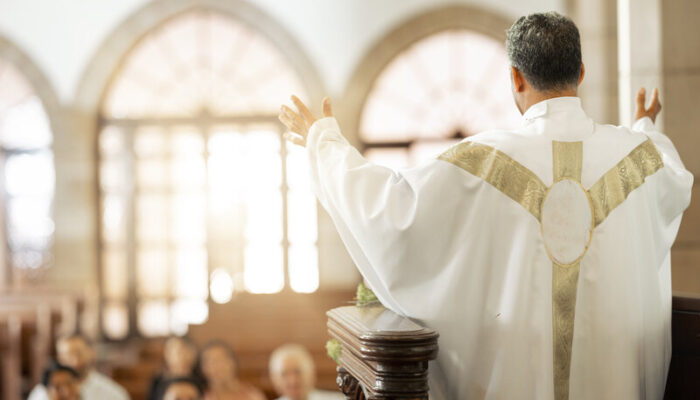
Minister of Religion Visa and Religious Worker Visa Explained
In This Article 1. Introduction to Religious Work Visas 2. Requirements for the Religious Work Routes 3. Religious Work Roles and Activities Defined 4. Certificate of Sponsorship for Religious Work 5. Financial Requirement for a Religious Visa 6. English Language Requirement for a Minister of Religion Visa 7. Additional Requirements for a Religious Worker Visa 8. Application Fees and Duration of Religious Visas 9….

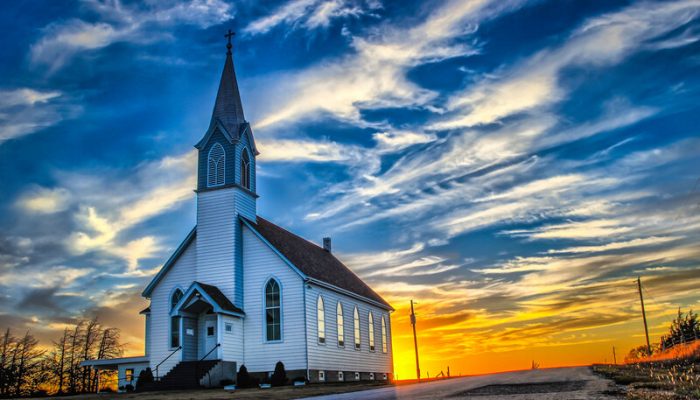
Minister of Religion Visa: Guidance for Religious Organisations
Much like applicants in the Skilled Worker route are sponsored by businesses who hold valid sponsor licences, the new T2 Minister of Religion Visa route enables applicants aged 18 or over to be sponsored as ministers of religion by a religious organisation which has charitable status (or by the Ministry of Defence). This route replaced the previous Tier 2 (Minister of Religion) route. Minister of Religion Visa:…

Sponsor Licence for Religious Work Visa: Requirements & Guide
In This Article 1. Introduction to the Sponsor Licence for the Religious Work Routes 2. Overview of Religious Work Routes 3. Requirements for Religious Organisations 4. Specific Requirements for Religious Work Routes 5. Additional Guidelines for the Religious Work Sponsor Licence 6. Key Personnel in a Religious Sponsor Licence Application 7. Application Process for a Religious Work Sponsor Licence 8. Contact Our…
16. How Our Immigration Barristers Can Help Religious Organisations
The immigration rules for faith organisations require careful analysis of the substance of the role and the organisation’s structure.
Identifying the Correct Immigration Route
We can advise on whether a proposed role falls within:
- T2 Minister of Religion;
- Religious Worker;
- Charity Worker;
- Skilled Worker;
- Visitor; or
- another immigration route.
Sponsor Licence and Certificate of Sponsorship Applications
We assist with:
- sponsor licence applications;
- adding routes to an existing licence;
- Key Personnel;
- supporting evidence;
- Certificates of Sponsorship; and
- sponsor-management arrangements.
Ministers, Religious Workers and Other Staff
We prepare applications for ministers, missionaries, religious-order members and other sponsored personnel, as well as eligible dependants.
Sponsor Compliance and Adverse Decisions
We conduct sponsor compliance audits and advise on reporting, record keeping and changes in duties.
We also represent religious organisations facing sponsor licence suspension or revocation and advise applicants following immigration refusals.
17. Contact Richmond Chambers Immigration Barristers
Our immigration barristers provide practical, legally focused advice to churches, religious orders, charities and other faith-based organisations.
For advice concerning Minister of Religion, Religious Worker, Charity Worker or Skilled Worker sponsorship, contact Richmond Chambers Immigration Barristers on 0203 617 9173 or complete our online enquiry form.
WE CAN ALSO ASSIST WITH
WHAT CAN WE HELP YOU WITH?
To discuss a Minister of Religion, Religious Worker or other UK visa application, or a sponsor licence for a religious organisation, with one of our immigration barristers, contact our business immigration team on 0203 617 9173 or complete our enquiry form below.

LATEST ARTICLES EXPERT COMMENT AND INSIGHT
FROM OUR IMMIGRATION TEAM
Earned Settlement: Home Secretary Announces Major Changes to UK Indefinite Leave to Remain Rules
By Georgina Griggs – Immigration Barrister