



Immigration Bail and Switching In-Country After Kaur: Why Immigration Bail Blocks In-Country Applications

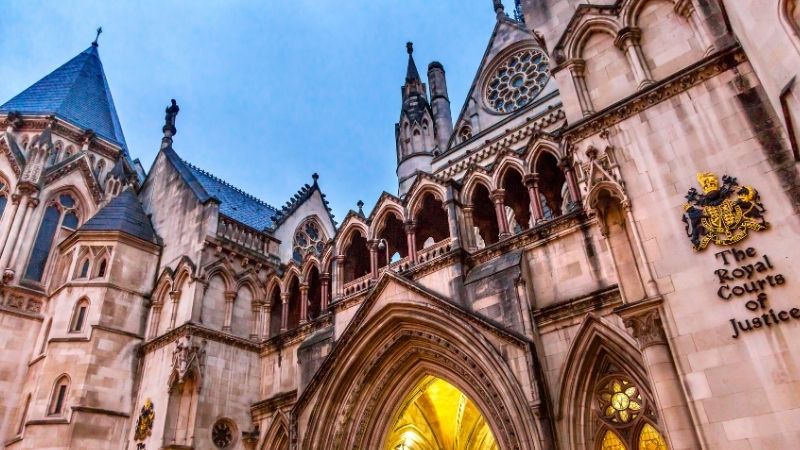
On 20 November 2025, the Court of Appeal handed down its judgment in R (Kaur & Ors) v Secretary of State for the Home Department [2025] EWCA Civ 1474, which has significant implications for those with pending Administrative Reviews in particular, as well as anyone at risk of being granted immigration bail following the refusal of an application where there is some uncertainty as to merits. The decision is particularly important for anyone considering switching in-country after a refusal.
The Home Office practice of granting immigration bail is now widespread: receiving a negative Administrative Review response or certified human rights decision is likely to lead to very tough choices for a migrant due to the impact the grant of immigration bail has on their future options.
1. Background to the case
Ms Kaur entered the UK on a student visa with her family. As her leave was about to expire in May 2022, she made a human rights application which was ultimately refused by the Home Office in April 2023 and certified as clearly unfounded, entailing the end of her lawful permission which had been extended by section 3C up to that point. At the same time, she was granted immigration bail as she was then an overstayer liable to detention and removal.
Shortly afterwards, on 12 May 2023, Ms Kaur applied for permission to stay as a Skilled Worker. However, the Home Office refused her application in August 2023 solely on the basis that she was on immigration bail at the date of application, contrary to the suitability requirements in paragraph SW2.2(b) of the Skilled Worker Appendix to the Immigration Rules, which state:
SW 2.2. If applying for permission to stay the applicant must not be:
…
(b) on immigration bail.
Ms Kaur pursued administrative review and then judicial review, arguing, among other points, that:
- the refusal was inconsistent with provisions allowing short periods of overstaying to be disregarded (at the time, paragraph 39E);
- the bail decision was unlawful and should in fact be set aside;
- she had suffered “historic injustice” as a result of the grant of immigration bail.
2. The Court of Appeal’s Judgment
The Court of Appeal dismissed the appeal. The key takeaway from the judgment is that immigration bail is a bar to in-country applications under the Skilled Worker route, and consequently many other routes with the same suitability requirement.
The Court of Appeal considered the straightforward wording of paragraph SW2.2(b) — “an applicant must not be on immigration bail at the date of application” — and this was fatal to the appeal. The fact that Ms Kaur’s overstaying might otherwise have fallen under the paragraph 39E “exceptions for overstayers” did not alter this outcome.
Why paragraph 39E did not allow an in-country application within 14 days
The Court, with Lady Justice Laing delivering the lead judgment, ruled that paragraph 39E had “no independent effect” in this context and does not allow someone on immigration bail to override the straightforward immigration bail bar to submitting an application:
§54: Paragraph 39E is a procedural provision. It does no more than to describe when it applies. It has no independent effect. In order for it to have an effect, it has to have an anchor in a different, substantive, paragraph of the Rules. The first point about paragraph 39E is that it cannot, therefore, be the source of an overriding policy in the Rules. The second point, which flows from the first, is that it is for the Secretary of State to decide in what contexts in the Rules she wishes to use this procedural provision, and precisely how she wishes to use it.
“Historic injustice” is not a valid basis to overturn decisions to grant immigration bail
The Court ruled that this is a straightforward Immigration Rules interpretation case: historical injustice arguments do not change rule interpretation and do not merit overturning decisions where the statutory or rules framework is clear:
§64: This is not an appeal from a decision of the UT in a statutory human rights appeal. It is an appeal from a decision of the UT to refuse permission to apply for judicial review. It turns, primarily, on the interpretation of the Rules, and, possibly, on the nature of the Secretary of State’s power to grant immigration bail. It has nothing to do with article 8, or with any proportionality balance.
Future applications did not have to be considered at the time bail was granted
Importantly, the Court of Appeal found that, when granting immigration bail, the Secretary of State need not take into account the effect that bail might have on future applications for leave. A person can be placed on bail even if they hope later to make another application:
§68: It is suggested there that before granting immigration bail, the Secretary of State is required to consider the possibility that a person might make a further application for leave in the period potentially permitted by paragraph 39E. King LJ pointed out to Mr Jafferji that the Secretary of State cannot know, when she refuses an application, whether or not the applicant will make a further application within the period permitted by paragraph 39E. He was then driven to submit that the Secretary of State cannot lawfully put a person in the same position as Ms Kaur on immigration bail until 14 days after she has refused an application for leave to remain. That extreme submission, if right, would severely limit the effectiveness of immigration bail. It would also unreasonably fetter the wide power given to the Secretary of State to grant immigration bail. Those two factors show that the possibility of a future application is not a consideration which is even arguably material to a decision whether or not to grant immigration bail.
3. What This Means in Practice — How Immigration Bail Affects Switching In-Country
The key message from Kaur is simple: if you are on immigration bail, you cannot make an in-country application for leave to remain under a route that contains a requirement not to be on immigration bail, as most routes do. Immigration bail is an effective bar to switching.
4. Impact for Migrants and Advisers
In-country switching risks after immigration bail
People who become overstayers and are granted immigration bail following the refusal of a prior application would likely find that their ability to “switch” to another visa route from within the UK is removed for so long as the grant of immigration bail remains in place.
The 14-day overstaying exception does not improve options
Even if an application had been made within the time limits where the rules would normally disregard a brief overstay under paragraph 39E (now Part Suitability SUI 13.1), the suitability requirement not to be on immigration bail still applies: applicants have to be within 14 days of their permission expiring, and they must not be on immigration bail on the date of application.
Challenging bail decisions is crucial and time-sensitive
Challenging immigration bail has to be done promptly and within three months of the relevant decision. This timeline runs from the grant of immigration bail, rather than a subsequent challenge.
No obligation to consider future applications
Decision-makers do not have to consider how bail might affect future applications for leave at the point of granting bail, limiting arguments that the Secretary of State acted irrationally by failing to protect future rights.
With the long-established automatic re-entry ban triggered by overstay beyond a minimal period, leaving the UK to apply to return in an entry clearance application is also not a straightforward option.
5. Final Thoughts
The Kaur case serves as a stark reminder that immigration bail can have lasting procedural consequences for migrants submitting immigration applications for permission to stay or indefinite leave to remain within the UK.
For migrants and immigration advisers alike, the key lesson is that the potential for being granted immigration bail must be factored into strategic planning and challenged promptly if one has appetite for an interim injunction alongside JR proceedings challenging the substance of a refusal. Making sure that switches (applications to vary a pending immigration application) are made before an expected negative Administrative Review outcome is returned can be very important, though this is certainly not easy to do as Administrative Review times are notoriously difficult to predict.
6. Contact Our Immigration Barristers
Our immigration barristers provide expert advice on challenging refusal decisions, judicial review, and settlement planning.
Contact our team on 0203 617 9173 or complete our enquiry form below for tailored assistance to safeguard your immigration position in the UK.
Can a person on immigration bail make an in-country application?
Not under a route that requires the applicant not to be on immigration bail on the date of application as part of the suitability requirements.
Did paragraph 39E allow Ms Kaur to apply within 14 days?
No. The Court held that paragraph 39E had no independent effect and did not override the immigration bail bar.
Why was Ms Kaur’s Skilled Worker application refused?
It was refused because she was on immigration bail when she made the application.
If I am granted immigration bail can I make a fresh application within 14 days of my refusal decision?
This depends on the type of application to be made. While paragraph 39E was replaced by SUI 13.1, the same rules apply, and most Rules based routes have a suitability requirement not to be on immigration bail, in addition to the requirement to be within 14 days of a refusal to rely on the exception for overstayers.
Does the Secretary of State have to consider future applications before granting immigration bail?
No. The Court of Appeal held that the possibility of a future application was not a material consideration when deciding whether to grant immigration bail.
Can historic injustice arguments overturn the effect of the Immigration Rules in this context?
No. The Court treated the case as one of straightforward rule interpretation.
Why is it important to challenge immigration bail promptly?
Because any challenge is time-sensitive and the relevant timeline runs from the grant of immigration bail.
Please note that the information provided in this article is for general guidance only and is based on the immigration rules and policies in force at the date of publication. Immigration law and Home Office policy can change frequently, and requirements may vary depending on individual circumstances. Legal advice should always be sought in relation to your specific situation.